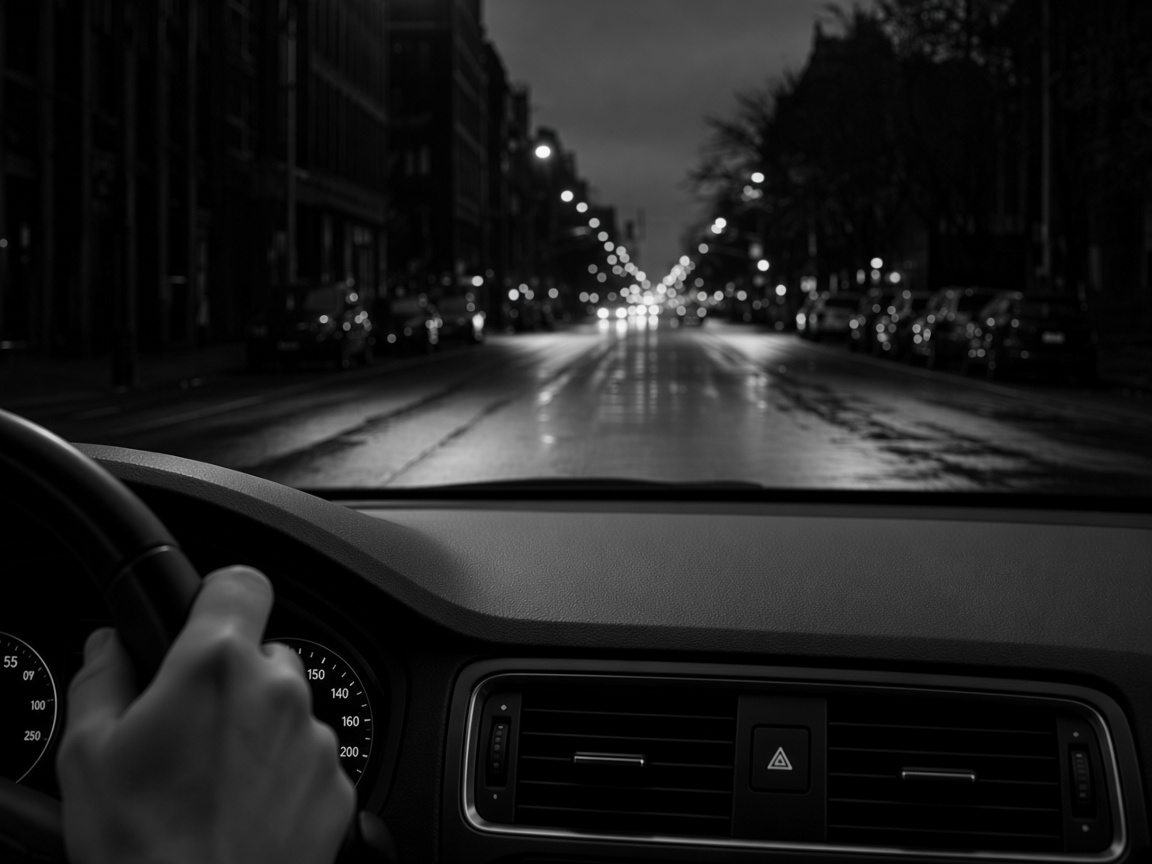
Every mile you drive is worth something.
View DemoThe best driving data in the world is sitting on dashcams nobody pays for.
Every self-driving model is trained on footage of the road. The rarest, most valuable frames are the ones nobody plans: a cyclist appearing from behind a van, a hard stop at a light that turned late, a car that nearly didn’t stop. They happen on ordinary commutes, get recorded by ordinary dashcams, and get overwritten a week later.
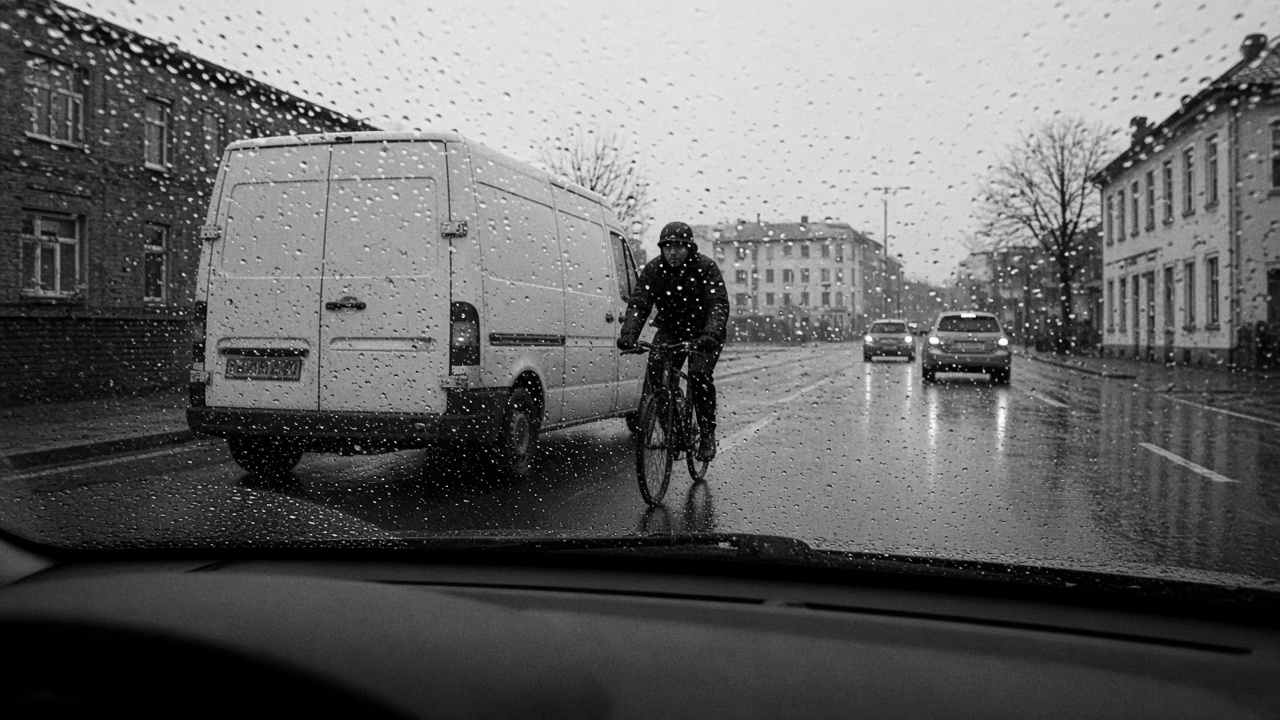
A camera on your dashboard that pays you for the miles.
If you drive
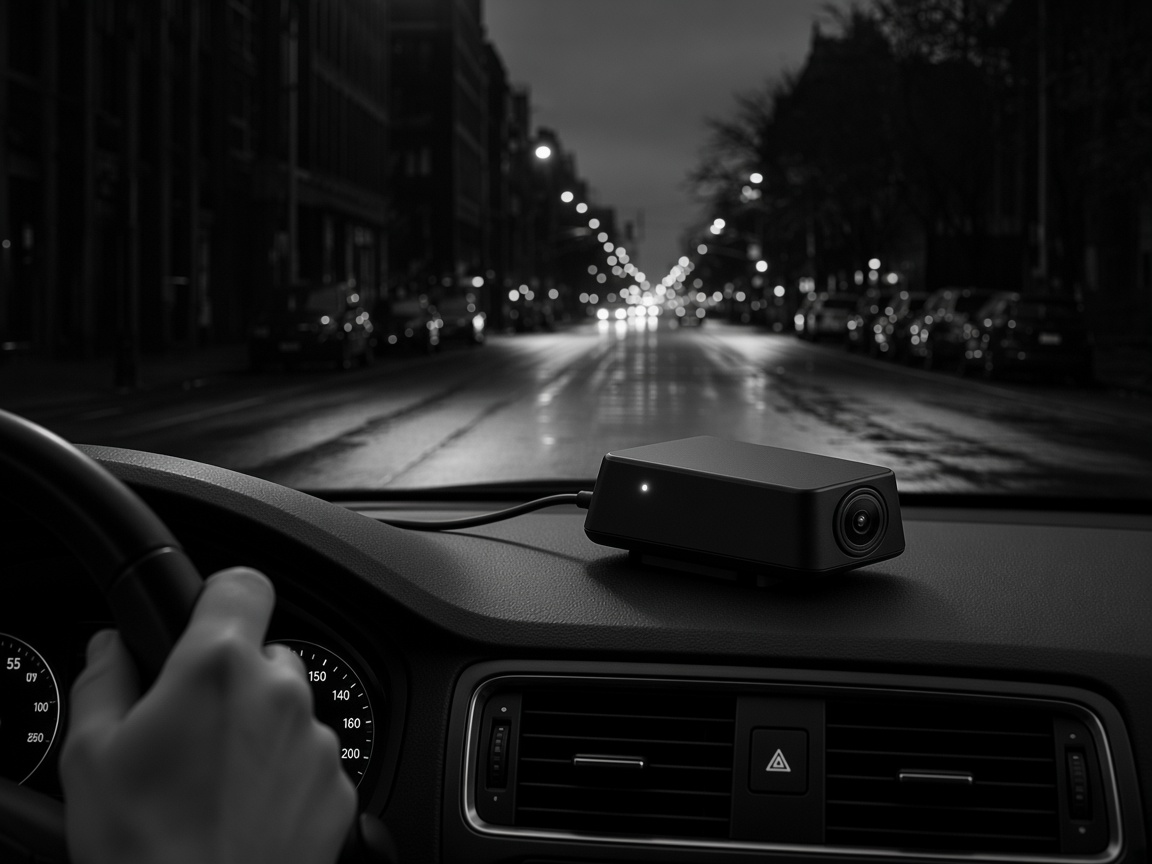
Mount GoMile on your dashboard and drive the way you always do. It records the road, picks out the moments worth keeping, and pays you in MILE: 1 for every minute behind the wheel, plus a bonus for each event it finds. Nothing to press, nothing to upload.
If you buy driving data
GoMile turns ordinary commutes into labelled footage of the rare events you cannot stage: near misses, cyclists, late lights. Every clip is hashed on the device before it leaves the car and every driver is paid on-chain for it, so you know where it came from, that it is untouched, and that the driver agreed to sell it.
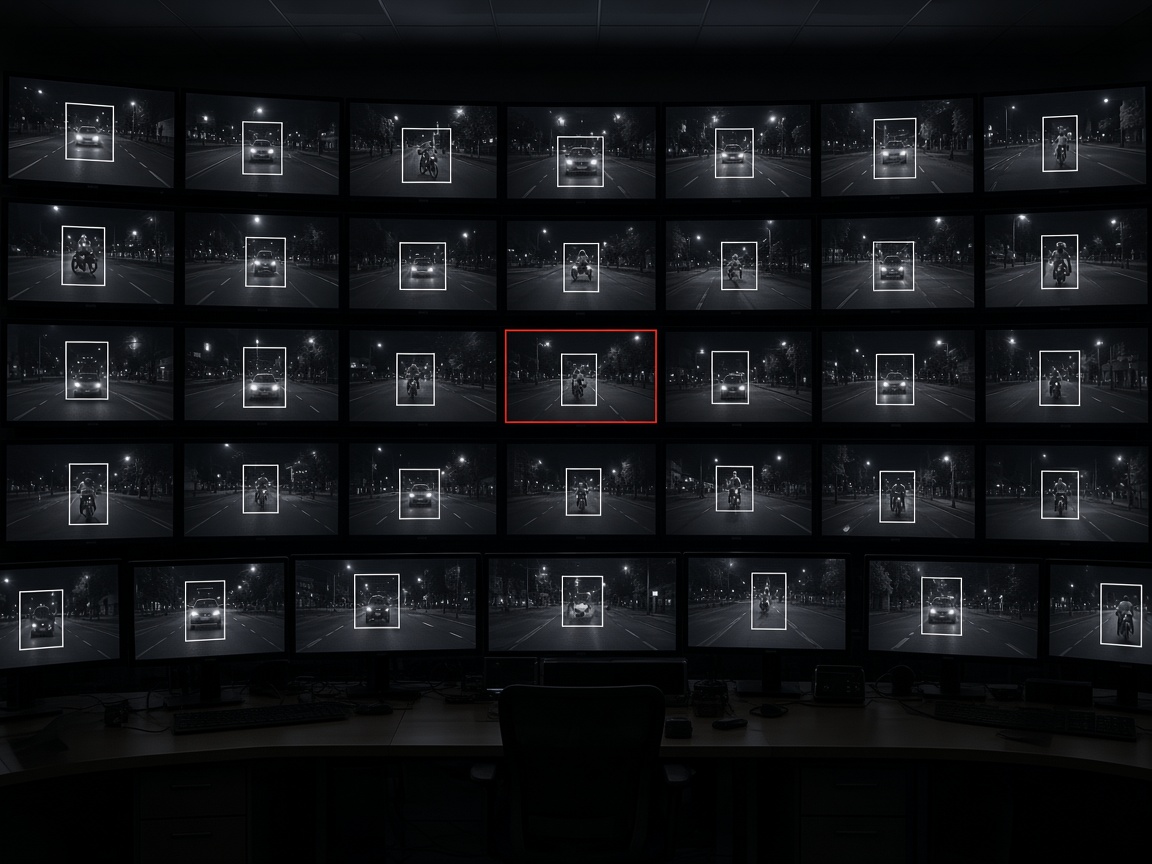
Every drive is read, frame by frame.
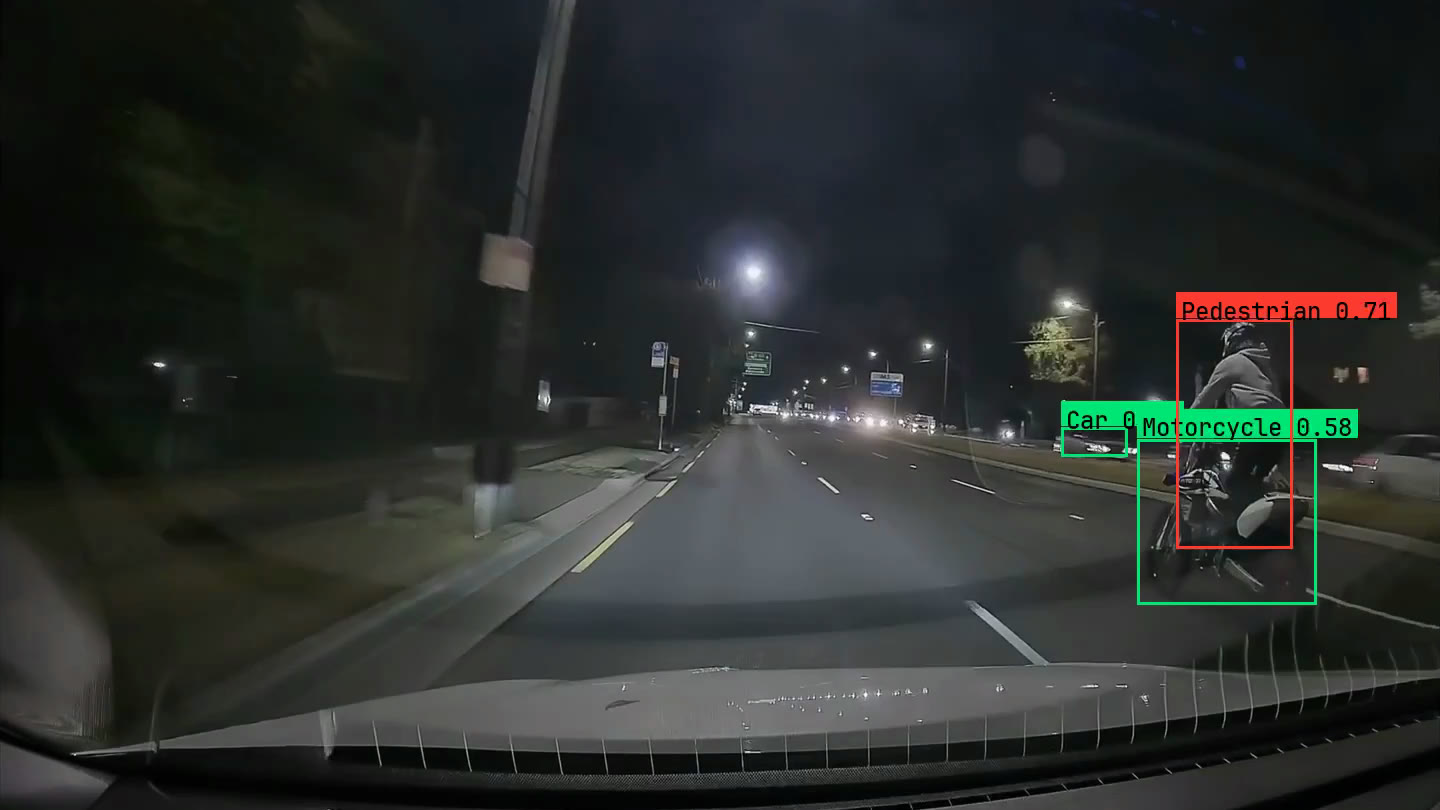
Everything on the road, every frame.
A detector tracks pedestrians, cyclists, motorcycles, cars, signs and traffic lights frame by frame, with a confidence on every box.
Twelve-second windows, read for events.
A vision model reads each window of the drive and names what happened in it: a near miss, a lane change, a hazard in the road.
Seen and felt.
A near miss only counts if the accelerometer and gyro spiked at the same moment. The footage says what happened; the sensors confirm the car reacted.
Built on Solana.
Paying a driver a few tokens for a six-minute drive only works on a chain where that transfer is close to free and lands before they have parked. Solana is the only place we could make the payout itself the record.
Small payouts, paid instantly.
A six-minute school run is worth six MILE. On Solana that transfer costs a fraction of a cent and confirms in about a second, so paying per drive is viable instead of batching drivers into monthly statements.
The chain is the database.
Every payout carries a memo. Balance, trip history, totals and device list are read back from the driver's token account. There is no Postgres, no indexer, nothing that can drift out of sync with what was actually paid.
A standard token in a standard wallet.
MILE is a Token-2022 mint with its name and symbol on-chain. Phantom, Explorer and any DEX already understand it. Send the same session twice and you get the original receipt back, not a second payout.
MILE mint
G8EzcyBFHg1fNk6ZADYg87Sg649XGcHrGDdb6b5fWxv
Off-the-shelf parts, one script, and a hash on every clip.
There is nothing custom in the box. Every part below can be bought today, and the capture script that ties them together is in the repo.
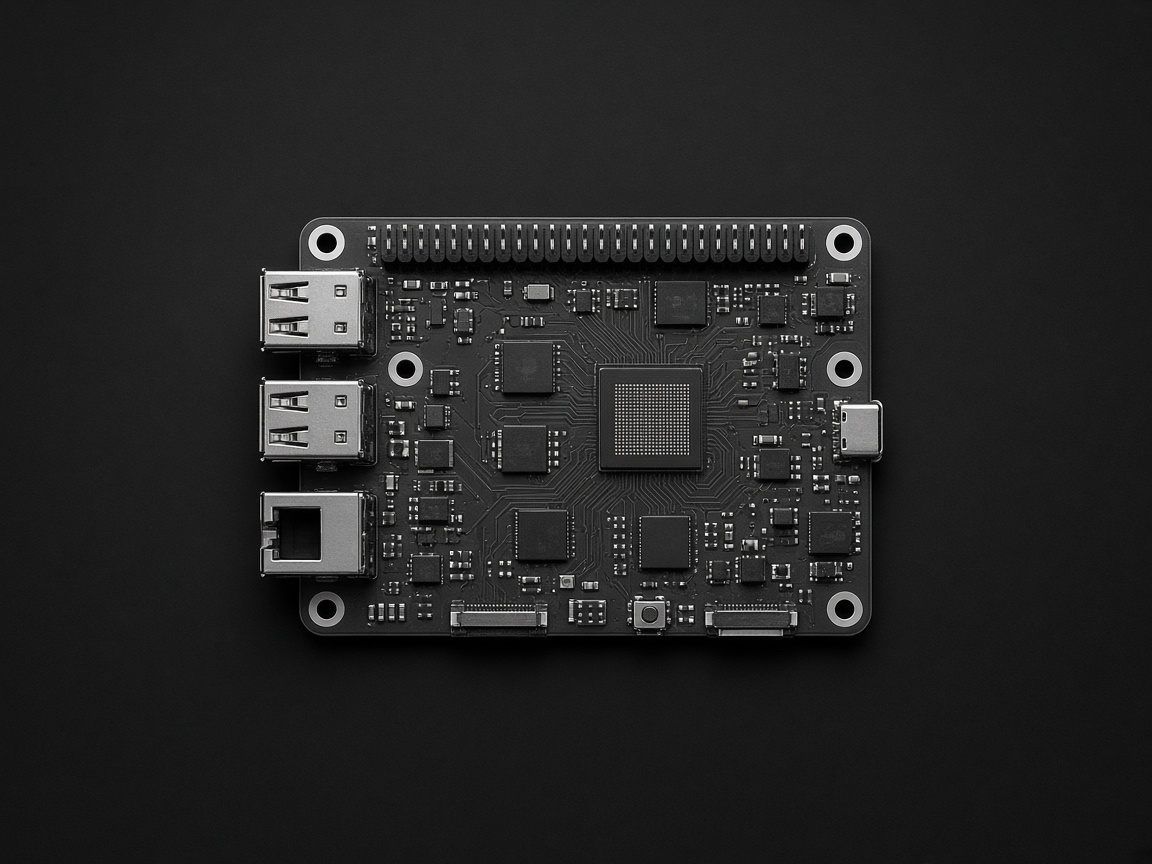
Raspberry Pi
The computer in the unit. Runs the capture script, writes clips to the card and hashes each one before it is uploaded.
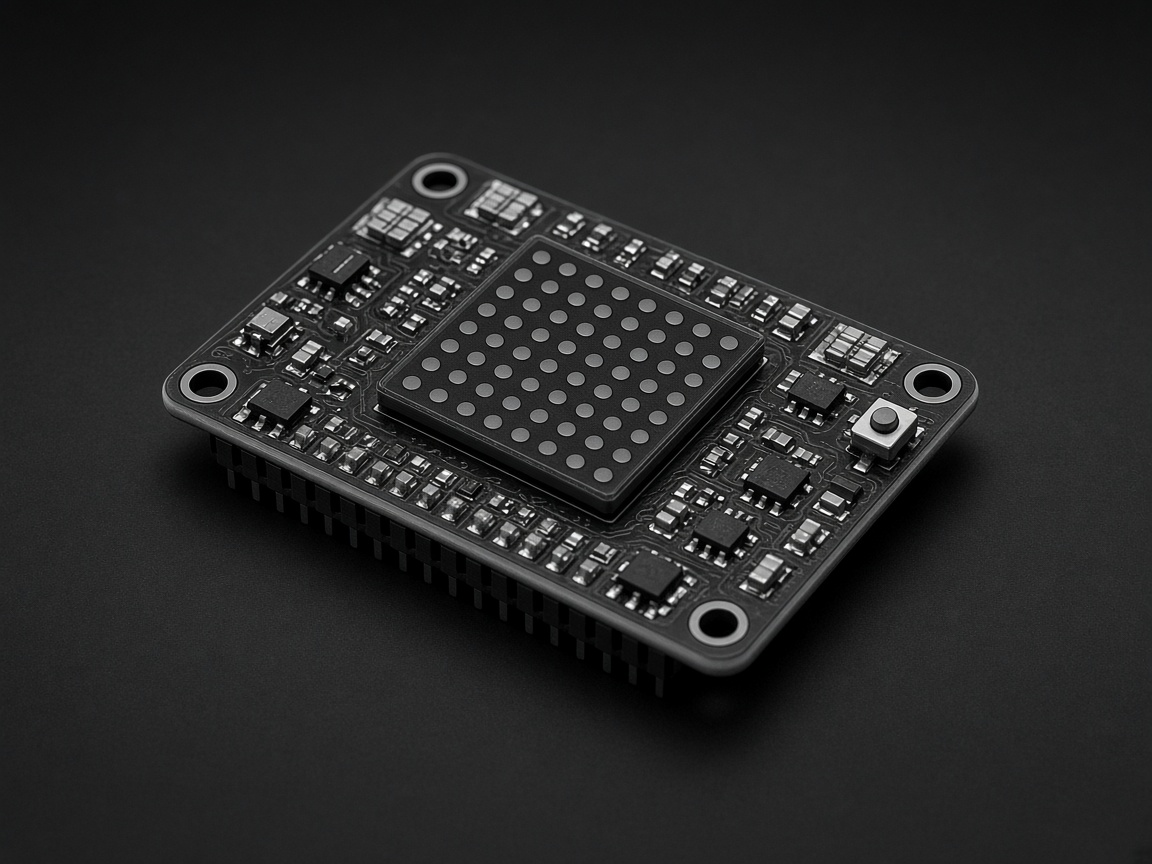
Sense HAT
Stacked on the Pi's GPIO header. Accelerometer, gyroscope and orientation, sampled once a second. It is what tells us a near miss was felt, not just seen.
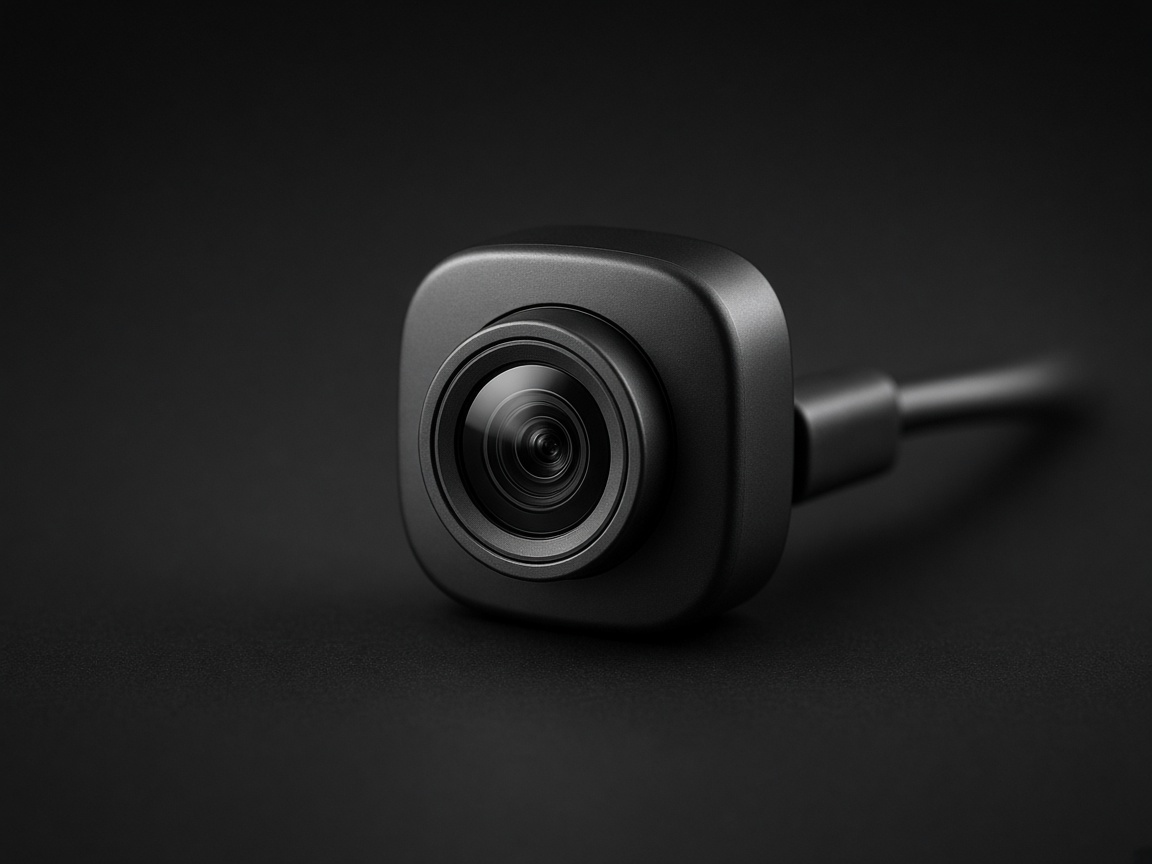
USB camera
A 1080p webcam aimed through the windshield. In the production unit it becomes the single lens in the face of the housing.
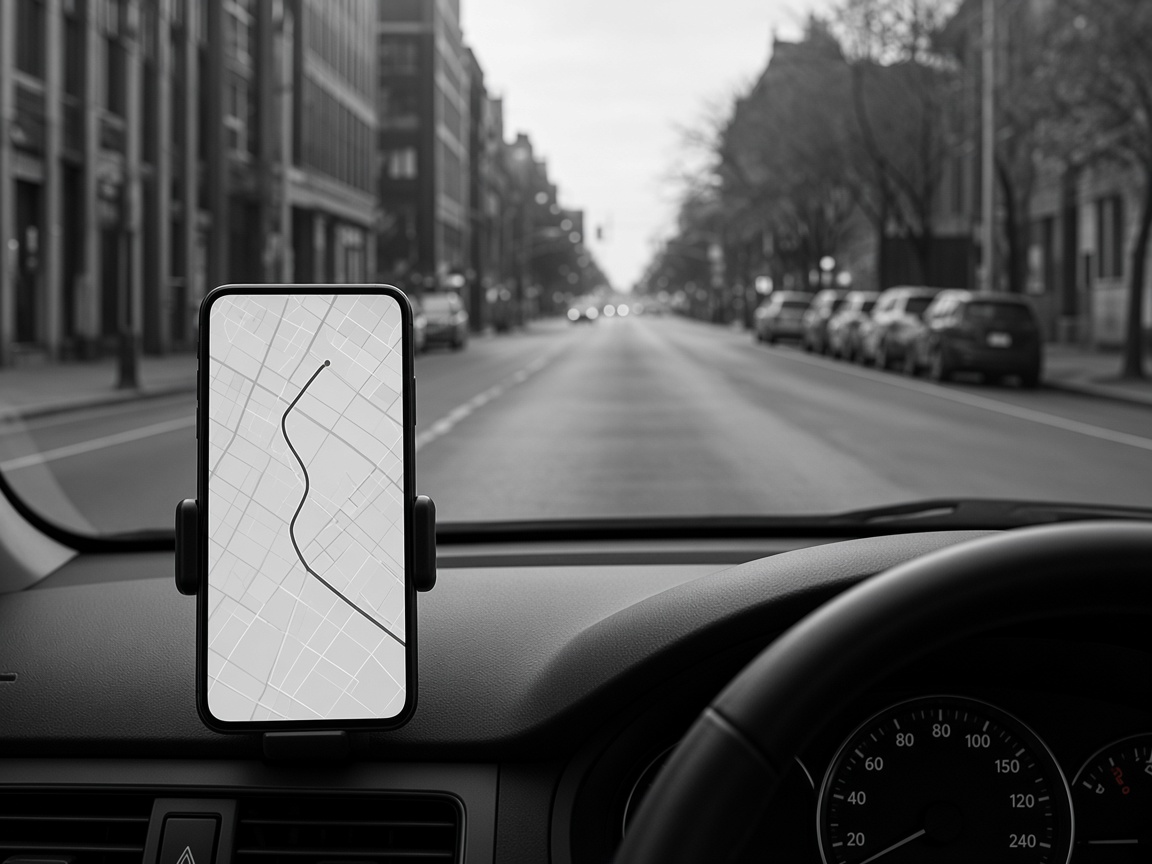
Phone GPS
The driver's phone shares its location track for the trip. The unit never needs its own GPS radio or SIM.
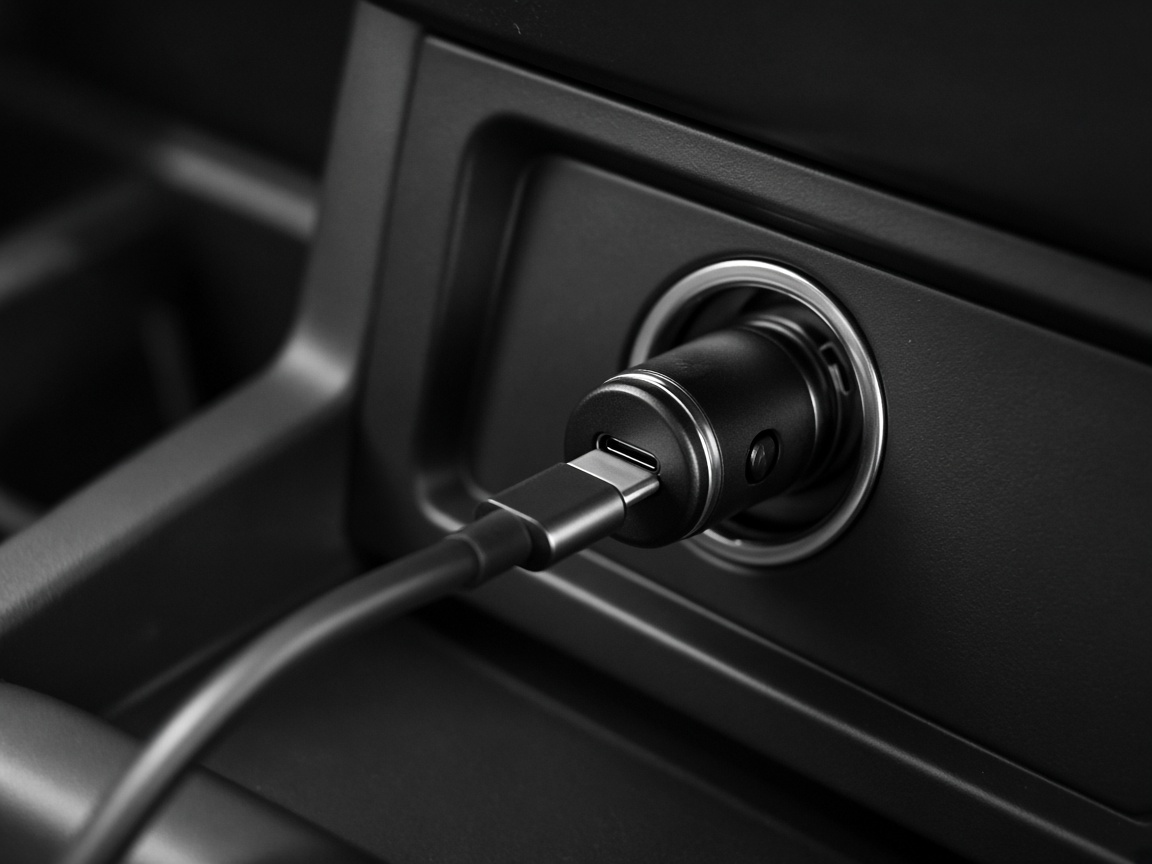
Power
USB-C from the car's 12 V socket. The unit boots when the ignition turns and shuts down cleanly when it stops.
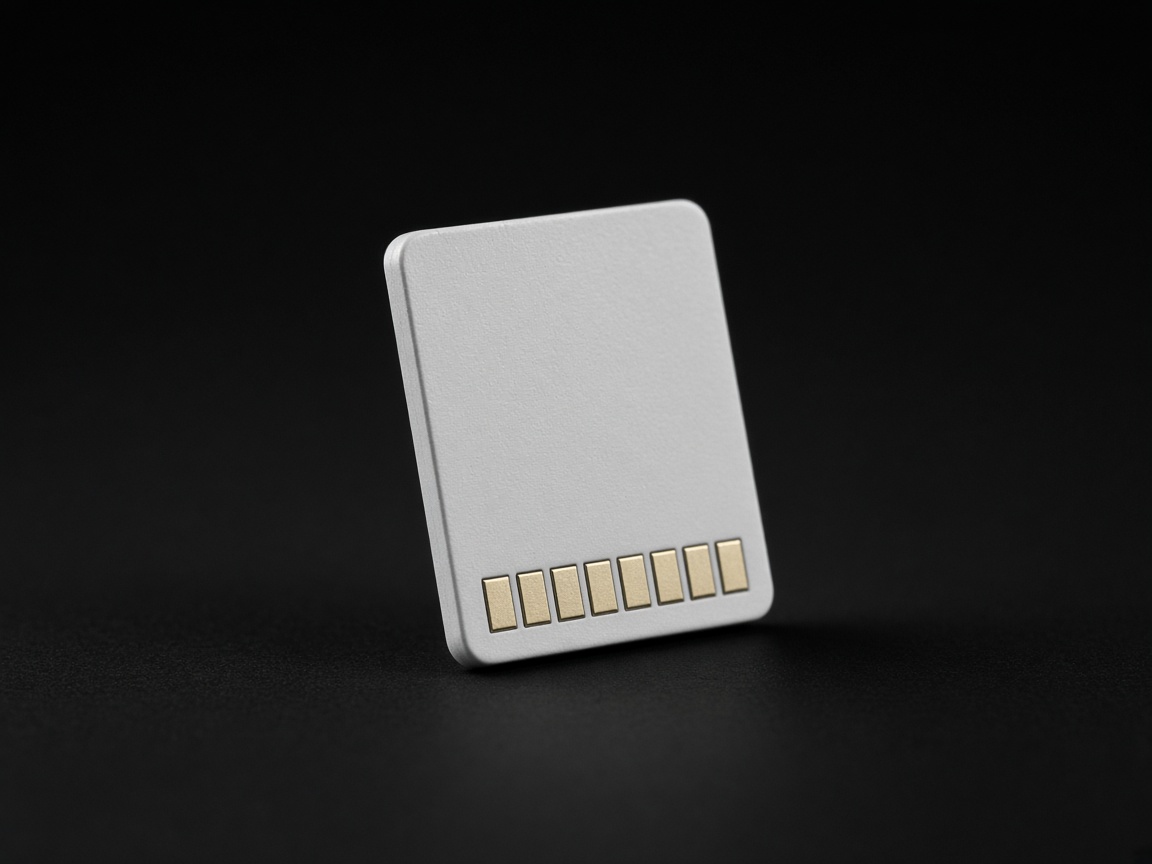
Storage
A microSD card holds the five-minute clips and the sensor log until they are uploaded. Each clip's SHA-256 is computed on the Pi, so a clip cannot be edited after the fact without the hash changing.
The future of the product
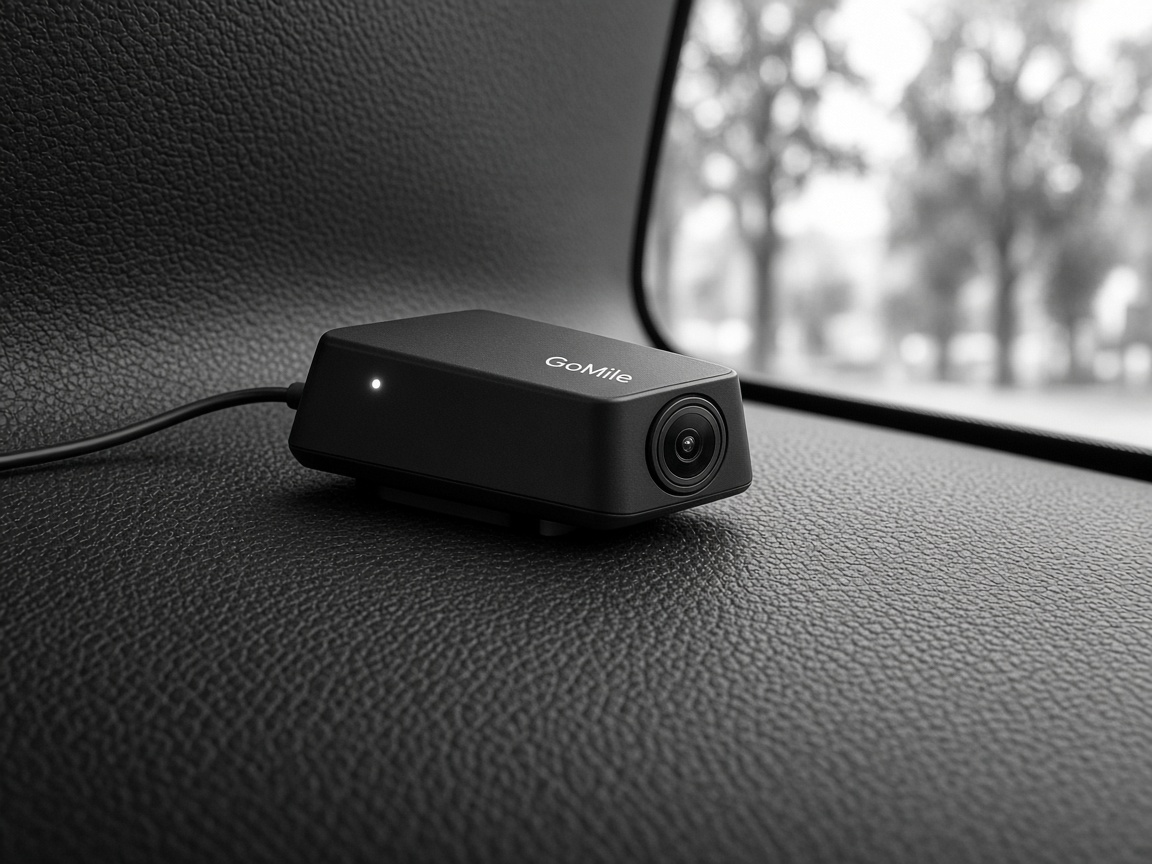
What we drove with this weekend, and what it becomes: the same Pi, camera and motion sensors closed into a low wedge that mounts on the dash. Same clips, same hashes, same payout. One cable instead of a laptop.
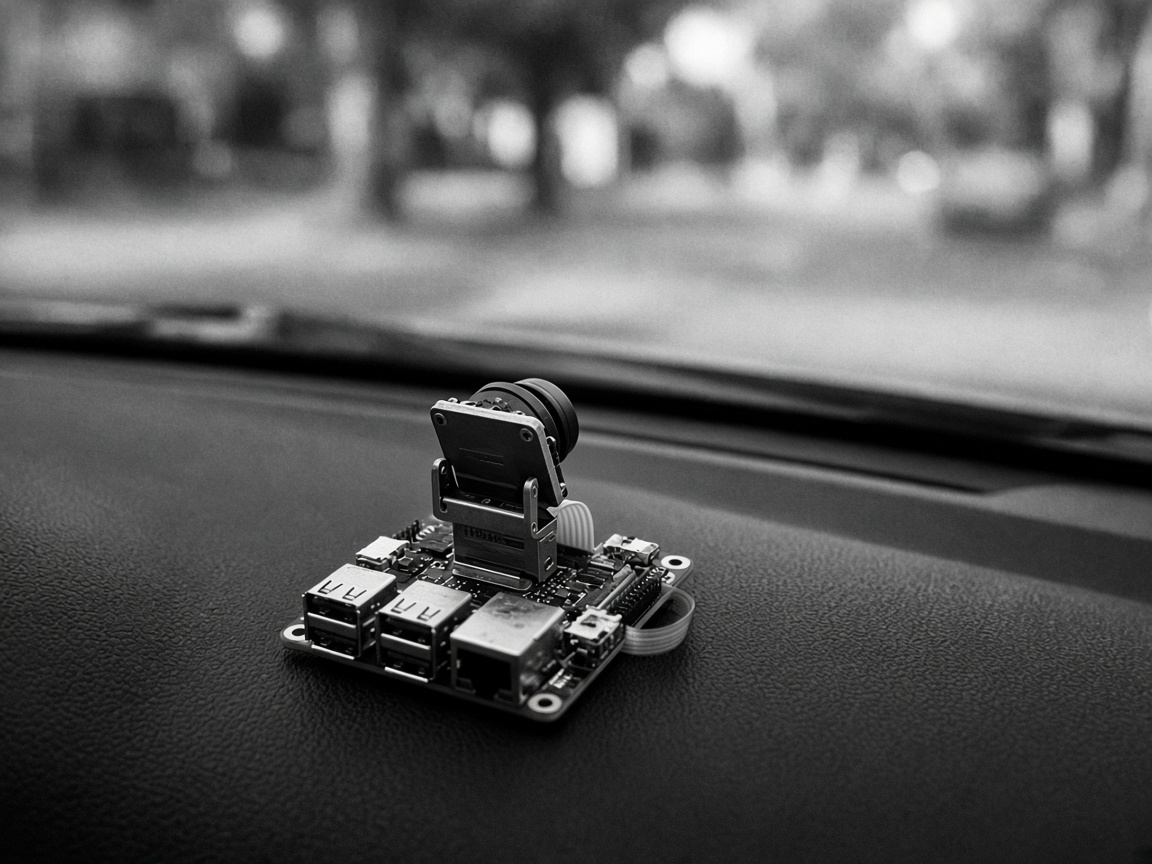
Today
A Raspberry Pi, a Sense HAT and a webcam, plugged into a laptop on the passenger seat. This is the rig every clip in the demo came from.
Production
One sealed housing. Camera forward, motion sensors inside, no LED matrix on the dash, USB-C to the car. It ships paired to the driver’s wallet.
Meet the team

Michael Crowley
Computer Science, Trinity College Dublin

Jessica Chen
Computer Science, Trinity College Dublin

Carlos Cejas
Computer Science, Trinity College Dublin

Ulas Icer
Computer Science, Trinity College Dublin
Plug in the Pi. Drive. Watch the trip land on-chain.